Frozen Water Pipe Prevention

Snow-covered rural home

Few things are more devastating to home or business owners than frozen water pipes. During winter, our homes and businesses are susceptible to ruptured pipes. Especially in areas like the Midwest. However, even property owners in the Southern US are at risk because extreme cold is rare but does occur occasionally. For example, Texas experienced this in February 2021. Every county in Texas from the northern border to the Rio Grande was under a winter storm warning. Temperatures plummeted to near zero–even in South Texas. This led to a multi-billion-dollar weather disaster. It became infamously known as The Great Texas Freeze. Therefore, regardless of where you live in the lower 48, it’s important to implement frozen water pipe prevention. Read on to learn the best tips to help prevent your pipes from freezing this winter!

Which Pipes Are at a Higher Risk of Freezing

Pipes in certain areas of your home or business are more susceptible to cold spells. These areas include:

  • Basements
  • Attics
  • Garages
  • Exterior walls

These areas are susceptible because they’re typically interior unheated spaces. However, there are many different ways to protect your pipes before old man winter strikes.

Frozen water pipe prevention. An image of a frozen pipe.

How to Protect Your Pipes from Freezing

The following are a few tips to minimize the chances of frozen pipes this winter. Frozen pipes are a concern when temperatures fall below about 20F, especially in areas like South Texas, Florida, and areas along the Gulf Coast where these temperatures or rare.

  • Install pipe insulation
  • Allow outside spigots and indoor faucets to drip
  • Keep garage doors closed
  • Open up kitchen and bathroom cabinets
  • Never let your thermostat drop below 55F

These are simple and cost-effective ways to save yourself thousands of dollars in potential insurance claims. Pipe insulation costs only about 50 cents per linear foot. Running your heat a little higher may slightly increase your heating bill but it’s far worth it to lower your risk of a pipe break.

Opening a cabinet to prevent frozen water pipes

Long-term tips to prevent your pipes from freezing include installing additional insulation to your attic, new windows, sealing/recaulking any cracks, and weather stripping in door frames.

Call Us if You Experience Frozen Water Pipes

If you experience frozen water pipes this winter, give our experienced team a call at 888-249-5867. We’re a full-service restoration company with over 75 years of combined experience among our management team. We serve the Southeastern, Midwestern, and Southwestern United States and partner with an extensive network of restoration contractors.

We will quickly dry out your home or commercial property and restore it to its pre-loss condition. We’re available 24/7, even during the holidays.

Reach out to us today for all of your water damage needs!

Property Damage Restoration Experts: Top Characteristics

Air mover fan drying floor

The restoration industry employs approximately 100,000 workers in the United States. Less than 10% of these restorers have active certifications with industry-certifying bodies like the Institute of Inspection Cleaning and Restoration Certification (IICRC.). Therefore, it’s crucial for property owners to look for certain characteristics when searching for property damage restoration experts to handle their property restoration needs. Read on to learn the top characteristics!

The Top Characteristics of Property Damage Restoration Experts

By no means is this list exhaustive. However, the following are some essential characteristics to look for in exceptional property damage restoration experts.

  • Industry knowledge and experience
  • Certification and licensing
  • Rapid response
  • Communication and Customer Service
  • References and Testimonials

Industry Knowledge and Experience

Like any skilled trade, experience is non-negotiable. Restoration has a low barrier of entry. Consequently, there are many inexperienced restorers working in the industry. It’s important to work with companies that have been in business for at least 10+ years. Moreover, the experience within the frontline staff is the most crucial. Peruse a company’s website and try to get a feel for the overall experience of the management team and frontline staff. Experience trumps flash.

Working with experienced property damage restoration experts will save you a lot of trouble and potential heartache from a restoration project gone awry.

Certification and Licensing

This one may seem obvious, but it’s worth discussing because most property owners don’t check for credentials when selecting a restoration contractor. Any property damage restoration expert worth their salt will have ACTIVE certifications, insurance, and business licenses. In states like Florida, you can find their business status at Sunbiz. Check for similar listings in your respective state.

Property Damage Restoration Experts: An image of a COI

You can also find IICRC-certified firms on this page on the IICRC website. Property owners also have the right to ask for a restoration company’s Certificate of Insurance (COI). Ensure it’s up-to-date and has adequate coverages (usually $1-2M+ in liability). If a contractor doesn’t willingly and gladly provide this information, it’s an immediate red flag.

Rapid Response and Availability

Rapid response is critical when it comes to property damage from events like storms, broken water pipes, and fires. You want to look for property damage restoration experts who are capable of responding to your loss within 90 minutes or less. For this reason, you should always work with local contractors. Keep an eye out online for restorers that advertise 24/7 emergency response. Most of the time, property disasters occur during the most inconvenient times. Namely, holidays, birthdays, and at 2 AM.

Storm Damage Restoration Contractor - Legacy Trucks. We respond to property damage emergencies.

The impacts of a delayed response are catastrophic. The risk of secondary damage increases the longer it takes for a company to come out and begin mitigation and remediation services.

Communication and Customer Service

One of the biggest complaints we hear from property owners regarding contractors is the lack of frequent and effective communication. The efficacy of a property damage restoration expert’s communications skills is apparent from the moment they take your first phone call.

  • How many times did it ring before they picked up?
  • Did it go to voicemail?
  • How long did it take them to return your voicemail?
  • Did the technicians contact you and give you an ETA on their way to your property?

If they’re not exhibiting these basic skills from the beginning, it will only go downhill from there. Communication will make or break your property damage restoration project.

References and Testimonials

Social proof is important in any business. Checking references and testimonials is key when identifying a property damage restoration expert. If they’re local, they will have some type of word-of-mouth reputation in the community. Moreover, they should have local pages like a Google My Business, Yelp, Apple Business Connect, or Nextdoor profile. They may also be listed on the Better Business Bureau (BBB) and will have a social media presence if they’re legitimate.

These are great places to look for past customer reviews and feedback. They may also have a portfolio of past work listed on their website. If you don’t see any of these indicators, keep looking.

We Are Your Local and National Property Damage Restoration Experts

Hopefully, you will never need a property damage restoration expert. However, if you do, you want to look for a company that is experienced, licensed, punctual, communicative, and vetted. At Legacy Restoration, LLC, we are your clear choice for all of your property damage restoration needs. We have offices in the Greater Tampa Area, Ft. Myers, and we serve the Southeastern, Midwestern, and Southwestern portions of the United States.

Call us 24/7 at 888-249-5867 or contact us here using our online form.

The Most Common Property Damage Emergencies

Storm Damage Restoration Contractor - Legacy Trucks. We respond to property damage emergencies.

Experiencing property damage at your home or business is one of the most stressful situations you can experience. Not only are your personal items damaged or at risk of damage but there’s also uncertainty around costs and replaceability. We’ve outlined the most common types of property damage emergencies we see and how to handle them. Read on to learn more!

The Most Common Types of Property Damage Emergencies

The following are some of the most common types of property damage emergencies.

Water Damage

Water damage is a common property damage emergency. Water damage occurs for all sorts of reasons. Namely, burst pipes, flooding, leaky roofs, slab leaks, appliance backups, toilet backups, etc. When a flood occurs, responding quickly to prevent secondary damage is crucial.

An exterior image of a flooded home

Therefore, restoration companies respond rapidly to mitigate the damage by:

  • Determining the source and categories of the loss (clean water, gray water, black water)
  • Removing standing water
  • Placing drying equipment (dehumidifiers, air movers, etc.)

If it’s a clean water loss, air movement will be immediately utilized to dry materials in place. If the water was caused by sewage or another source, containment must be placed and materials must be removed.

Storm Damage & Wind Damage

Other property damage emergencies like storm and wind damage are also common. Wind causes damage to roof systems, windows, and doors. It may also down trees or limbs which often puncture roof decking.

When these storm or wind events occur, it’s important to provide temporary protection to the property until the damage can be permanently repaired. Restoration contractors will provide emergency tarp/board-up services in these instances. Roof tarps and boarded-up windows will prevent any wind-driven rain from penetrating the home and causing further damage. Tree removal from roofs may also be necessary in these situations.

A roof that has been tarped. Aerial view. This is common during property damage emergencies.

If you experience wind or tree damage from a storm, it’s imperative that you call a restoration contractor immediately! These types of events are often covered by homeowners insurance policies. Therefore, it’s appropriate to call a mitigation company first and have them respond, even if you haven’t had a chance to submit a claim yet. You have the right and responsibility as an owner to protect and secure your property.

Fire & Smoke Damage

Structure fires (although much rarer than water or storm damage) are another common type of property damage emergency. Fire damage often leaves homes and businesses structurally unsound and susceptible to further damage.

Cooking Fire Damage Restoration. Picture of a burned out stovetop. This is one of many types of property damage emergencies.

Therefore, after the fire is put out, it’s crucial to have a restoration contractor board up windows and doors, protect the roof system, and shelter your home’s interior from the elements. Securing the property will also prevent looters or squatters from entering the property until it’s restored to its pre-loss condition.

Water damage is also a concern during structure fires. The fire department has to extinguish the fire using tremendous amounts of water. This creates a situation where immediate dry-out is necessary. Failure to dry out a structure following a water loss will lead to secondary damage like mold growth.

Legacy Restoration, LLC Is Your Go-To During Property Damage Emergencies

When you experience property damage emergencies at your home or commercial property, Legacy Restoration, LLC is ready to respond 24/7.

Our experienced team serves residents and facility managers throughout Florida, the Southeastern US, the Midwest, and the Southwest.

Reach out to our team today for all property damage emergencies!

5 Ways to Prevent a Flooded Home

Flooded home surrounded by water

Although you may go decades without experiencing a flooded home, they can happen to anyone at any time. Not only do we have to be concerned about water intrusion from outside but we also need to worry about water intrusion from within. Read on to learn 5 easy ways to protect against water damage at your home.

Ways to Avoid a Flooded Home

Although we can never fully protect our homes from flooding, there are several ways we can shield our homes from potential water damage including the following.

  1. Gutter & Downspout Maintenance
  2. Proper Landscape Grading
  3. Sealing & Caulking
  4. Routine Roof Maintenance
  5. Turning Off Main Water Supply When You’re Out of Town

1. Gutter & Downspout Maintenance

Gutters and downspouts are designed to rapidly direct water away from your home’s roof and foundation. For maximum efficiency, gutters and downspouts must be free of debris. Failure to properly maintain your gutters and downspouts will lead to a flooded home.

An image of a man on a ladder cleaning his gutters to prevent a flooded home

An easy way to prevent water intrusion from failed gutters and downspouts is to routinely clean them. A good rule of thumb is to clean them in the early spring and late fall, especially in areas like Florida. To reduce your workload, it’s recommended that you install gutter guards. Gutter guards will reduce the amount of debris like leaves and twigs that become trapped in your gutters.

2. Proper Landscape Grading

If your landscaping or driveway weren’t properly installed, you may experience water intrusion during heavy rains. Keep in mind that you may not experience water intrusion during normal weather conditions or light rains but only when you’re experiencing severe weather or prolonged rain events. These rare types of events are better indicators of the efficacy of your landscape’s grading.

To prevent house floods, make sure that your landscaping and driveway slope away from your home. This will prevent water from seeping into your home during strong rain events. If it’s not something that you can handle yourself, you should call a professional landscaping company to come out and give your their expert recommendations.

3. Sealing & Caulking

Small gaps around windows, doors, and chimneys are notorious for water intrusion. You can prevent a flooded home by regularly inspecting these areas on an annual or biannual basis. Sunlight breaks down caulking and sealer causing cracks. If you notice that your caulking is cracked or is separating from the seams, remove it and replace it with a new bead. This will make water intrusion via wind-driven rain more difficult.

4. Routine Roof Maintenance

Regular roof maintenance is crucial. Especially in places like Florida or the Great Lakes region where heavy rain or lake-effect snow are common. Shingles that are cracked or peeling are warning signs that you’re due for a roof replacement. If you notice these issues, call a roofing company immediately to defend against a flooded home.

If your roof is still in good condition, maintain it by removing dead leaves, pine needles, sticks, or any other debris. If you have overhanging tree limbs, trim them back. Taking these simple actions will go a long way in preventing water damage.

5. Turning Off Main Water Supply When You’re Out of Town

This one practice is less obvious but it has prevented many flooded homes. When you’re going to be out of town for more than 1-2 days, it’s a good idea to turn off your main water supply. Many homeowners experience busted pipes when they’re on vacation or away visiting family. This is detrimental because it can allow your house to flood for many days before it’s discovered.

Water

This one simple tip could be a lifesaver. Make sure you notify anyone who may be checking on your home while you’re gone that the water is turned off. Also, keep in mind how this might affect your pipes during the winter if you live up north.

Call Legacy Restoration, LLC If You Have a Flooded Home

If you live in the Southeast, Great Lakes, or Midwest, give us a call if you experience a flooded home. With over 75 years of combined industry experience, Legacy Restoration, LLC is your go-to property damage restoration company.

Call us 24/7 for water damage emergencies at 888-249-5867. Our crews are standing by and ready to respond!

What Should I Do if My Roof Is Leaking?

Family reacting to ceiling leak inside home

Most people panic when they experience a roof leak. What do I do? Who do I call? Many of us are dumbfounded when our roof is leaking. A leaky roof is an emergency situation that requires immediate attention. Read on to learn what you can do and why you should call a professional restoration company when the drips begin!

An image of a young woman on her couch whose roof is leaking. She's trying to catch the water.

My Roof Is Leaking: What Should I Do While I Wait for Help to Arrive?

Most property damage restoration contractors have a 90-minute response time or less and operate 24/7. They are more prepared than roofers to respond to these types of emergency situations. Moreover, restoration contractors are much more familiar with the overall building envelope when compared to roofers. But, what should you do to mitigate the situation while you wait for help to arrive?

  1. Protect – Although you can’t stop the leak yourself, do your best to protect the interior of your home until help arrives. Put buckets under the leak, move furniture around, and cover up other contents with drop plastic to protect them from moisture in the affected area.
  2. Inspect – If conditions are safe and permitting, try to identify the exact location of the leak from the exterior of the home. This can help the crew once they arrive.
  3. Safety – Don’t try to climb up onto your roof to inspect the situation, especially during inclement weather. Just do your best to protect your home’s interior and wait for help to arrive.

What Does a Restoration Company Do When My Roof Is Leaking?

Once the restoration company arrives, they will do the following.

  1. Inspect – They will assess the situation and determine the location of the roof leak
  2. Educate – The lead crew chief will discuss their findings with you and advise you on the best approach
  3. Tarp – The crew will tarp and sandbag the roof, covering the point of entry and the surrounding area to prevent further water intrusion
  4. Mitigation/Drying – Next, any water damage in your home will be dried using extraction equipment, dehumidifiers, and air movers (fans). Any specialized equipment like Injectidries may also be used depending on the situation
  5. Monitoring –  After the initial response, the crew will monitor the drying progress over the next several days and work to prevent potential mold growth
  6. Roof Repair

What Should You Do as the Homeowner After the Leaky Roof Has Been Mitigated?

While you’re waiting on your home to dry, you want to reach out to your insurance company and submit a claim. From there, the restoration contractor can handle the claims process and work with your adjuster to figure out coverage. The contractor will then work to restore your home to its pre-loss condition.

At Legacy Restoration, LLC, we accomplish this by leveraging our reconstruction division to permanently repair your roof and replace any damaged drywall or flooring.

If Your Roof is Leaking, Call Legacy Restoration, LLC

Whether you’re located in Ft Myers, Tampa, or the surrounding areas, Legacy Restoration, LLC has you covered if your roof is leaking. Our team is standing by 24/7 waiting to respond to your call at 888-249-5867.

You can also call our local offices directly.

Reach out to us now if you have a leaking roof emergency!

Fire Damage Restoration: 5 Common Causes in Homes and How to Prevent Them

A picture of a house on fire. We provide board-up services following fires.

Although there’s only a 1 in 3,000 chance that you will experience a house fire in a given year, it’s helpful to minimize your chances as much as possible. Knowing the most common causes of fire damage in US homes is the first step in understanding how to prevent them. Read on to learn the 5 most common causes of house fires in the Sunshine State.

The Most Common Causes of Fire Damage in Homes

The following are the most common causes of fire damage for homeowners in the US.

  1. Electrical fires
  2. Cooking fires
  3. Smoking
  4. Heating fires
  5. Arson

1. Electrical Fires

Electrical fires are caused by a variety of factors. Some of these factors include:

  • Antiquated or faulty wiring
  • Overloaded circuits
  • Malfunctioning appliances

Old or improperly installed wiring increases your risk of a house fire. Electrical fires can be prevented by having your electrical system inspected regularly, avoiding the overuse of extension cords and power strips, and buying higher-quality appliances from trusted sources. Using proper charging cords for cell phones and other electronic devices is also crucial.

2. Cooking Fires

Another frequent source of fire damage for Florida homeowners is cooking fires. Most cooking fires are caused by unattended cooking, overheating oil, or by storing flammable objects near stovetops.

Cooking Fire Damage Restoration. Picture of a burned out stovetop.

The best way to prevent cooking fires is to never leave your kitchen unattended while preparing food. If you need to step away momentarily to answer the door or tend to a family member, be sure that you have timers set to remind you when your food is done.

3. Smoking

Not only is smoking a common cause of house fires but it is also one of the leading causes of home fire deaths. People will sometimes fall asleep while smoking a cigarette, improperly dispose of kindling cigarette butts, or accidentally smoke too close to flammable objects. The best way to prevent smoke fires is to not smoke at all or to be situationally aware if you choose to smoke inside your home. You should never smoke while laying in bed.

4. Heating Fires

It may come as a surprise that heating fires are one of the leading causes of fire damage in Florida homes. However, it’s precisely because of Florida’s climate that these types of fires are common. Most homes in peninsular Florida are not equipped with standard furnaces like our northern neighbors. Most have heat pumps, at best. Cold spells are rare and often short-lived in the Sunshine State.

An image of a space heater, a common cause of household fires facilitating the need for fire damage restoration.

Therefore, many Floridians attempt to improvise for a lack of heat source by using dangerous space heaters, poorly-maintained fireplaces, or even using their dryer’s exhaust as a temporary heat source during unseasonably cold nights.

If you don’t have a fireplace or furnace and you must use space heaters, be sure to use newer models that are constructed according to proper industry standards. Additionally, ensure that space heaters have adequate distance from other objects. Keep flammable objects away from space heaters at all times and never leave them running unmonitored.

5. Arson

Lastly, arson is another common cause of fire damage in Florida. Arson prevention is key. Ensure that you have proper lighting and security measures in place around your property. A robust security strategy for your home includes the use of security cameras, motion detectors, and an actively monitored security system. Depending on your neighborhood, you may be more susceptible to arson.

Legacy Restoration, LLC Is the Leader in Fire Damage Restoration in the United States

In the face of disaster, you need an empathetic and experienced fire damage restorer that you can trust. At Legacy Restoration, LLC, we have decades of combined experience working on fire damage losses throughout the Southeastern, Southwestern, and Great Lakes regions of the United States.

Our team has specialized knowledge and equipment–allowing us to efficiently manage any sized project. We provide emergency board-up services to secure your property immediately after the fire department leaves the scene. Then, we begin the process of working with your insurance company to restore your home to its pre-loss condition.

Contact us today for all of your fire damage restoration needs.

Characteristics to Look for in a Storm Damage Restoration Contractor

A coastal town

When your commercial property has been affected by major storms like hurricanes, tornadoes, or floods, you need a reliable and reputable storm damage restoration contractor that you can trust. Every day that your property is inoperable, it costs your business revenue. Read on to learn what key characteristics to look for in a reputable property damage restoration contractor.

Key Characteristics of a Reputable Storm Damage Restoration Contractor

Reputable storm damage restoration contractors demonstrate several positive characteristics. The following are the most important.

  • Licensing and insurance
  • Experience
  • Availability and response time
  • References and reviews
  • Communication and transparency
  • Professionalism and workmanship

Licensing and Insurance

First and foremost, you want to ensure your storm damage restoration contractor is properly licensed and insured. When a storm occurs, contractors flock from hundreds of miles away. Many of these contractors come from neighboring states with different licensing and insurance requirements. Just because they’re licensed in their state doesn’t mean that they’re licensed in yours.

Some of these out-of-state contractors are also predatory. In Florida, it’s common for these “fly by night” companies to try to scam property owners. Additionally, these contractors are not always adequately insured. Sometimes they’re either underinsured or not insured at all. Reputable restoration contractors will be properly licensed and adequately insured. This will protect you as the property owner. Most licenses are found online. In Florida, you can use Sunbiz.org to ensure Florida-based companies are legitimate businesses.

Experience

Another characteristic to look for in a reputable storm damage restoration contractor is experience. You should consider the following.

  • How many years have they been in business?
  • What types of property losses have they handled in the past?
  • Do they have a portfolio of past work that you can reference?
  • What types of industry certifications do they hold?

As you’re looking to hire a contractor, these are all questions you can ask them. Even during an emergency situation, try not to be too quick to hire someone. Do as much homework upfront as you can.

Availability and Response Time

Time is crucial during storms. Again, the goal is to reduce downtime for your business or tenants, if you’re a property manager. Since so many calls will pour into contractors, they have to begin triaging everyone. Therefore, it’s helpful to have a relationship with property damage restoration companies BEFORE a storm occurs.

This relationship ensures that you and your business are a priority following hurricanes, tornadoes, wildfires, or floods. Working with a company that can respond to your loss within 12-24 hours is critical. Following major storms, keep in mind that many roads are closed or blocked by downed trees and other debris. A good rule of thumb is to allow approximately 12-24 hours for the contractor to arrive at your property after your initial call. Under normal conditions, reputable contractors should respond within 90 minutes of your call.

References and Reviews

Nearly every company has some type of online presence these days. If you struggle to find a company online, it’s a major red flag. Reputable storm damage restoration contractors will have at least one or multiple social media profiles, a Google My Business page, a website, etc. Check the company’s Google My Business page for reviews. You want to look for restoration contractors that have at least a 4.5-star rating or higher. It’s also important to read their best reviews and worst ones.

The contractor should also have a list of references that you can call. Again, not only does this give you a sense of their experience and capability but also of their quality of work.

Professionalism and Workmanship

When you make contact with a storm damage restoration contractor, they should display professionalism from the first call to the last invoice. When they arrive on your property, they should have company-marked vehicles, uniformed team members, and the ability to speak intelligently and eloquently. These initial characteristics are indicators that they take pride in their company and the work that they do for clients.

Storm Damage Restoration Contractor - Legacy Trucks

Communication and Transparency

Lastly, professional storm damage restoration contractors will display excellent communication and transparency. During the management of your project, you should expect frequent updates and projections from your contractor. These updates should include what’s been done and what’s coming up next. Transparency in their estimates and billing is important. Companies that fail to keep you in the loop are a major concern.

Legacy Restoration Is Your Trusted Partner for Storm Damage Restoration Services

In the face of disaster, you need an experienced storm damage restorer that you can trust. At Legacy Restoration, LLC, we have decades of combined experience working on storm damage losses throughout the Southeastern, Southwestern, and Great Lakes regions of the United States.

Our team has specialized knowledge and equipment–allowing us to efficiently manage any sized project. Whether you have a small office building or a large high-rise that’s been affected, at Legacy, we have you covered!

Contact us today for all of your storm damage questions or needs.

Common Misconceptions About Mold

An image with mold on the wall.

Most Floridians are familiar with mold. One reason mold is so abundant in Florida is because of latitude and the fact that it’s a peninsula. Our climate is characterized by long, hot, and humid summers followed by mild winters. South Florida is tropical with a pronounced rainy season and dry season. North Central Florida is subtropical with high humidity and significant rain during the summer months. Over the years of working in the restoration industry, we’ve discovered that there are a lot of common misconceptions about mold. Read on to learn what they are!

What Are the Most Common Misconceptions About Mold?

There are numerous misconceptions about mold but the following are the most common.

  • Kilz and bleach effectively take care of mold
  • The only bad type of mold is black mold
  • Your home shouldn’t have any mold in it

First Misconception: Kilz and Bleach Effectively Take Care of Mold

A common misconception is that painting over mold with Kilz or spraying it with bleach are effective ways to treat mold contamination. Kilz might be a helpful way to prevent potential microbial growth but it’s not effective at treating mold contamination. Bleach and Kilz are both capable of killing mold but they don’t remove the toxicity associated with mold. Spores from dead mold are just as toxic and harmful to human health as live mold.

Therefore, mold must not just be killed but it must be removed. Effective mold removal requires a meticulous process to avoid cross-contamination and spreading mold to other parts of a home or business.

Second Misconception: The Only Bad Type of Mold Is Black Mold

Another common misconception about mold manifests itself in the usage of the term “black mold.” Black mold is simply an overly misused term. The reality is that there are thousands of different types of molds of varying colors and characteristics that contain mycotoxins. Black-colored mold isn’t the only indicator of a toxic mold. Any species of mold is capable of causing human health issues or adverse reactions. Therefore, the overabundance of any species of mold should be properly removed from your home.

Another Myth: Your Home Shouldn’t Have Any Mold in It

This brings us to our last common misconception about mold. Many people are under the assumption that a “healthy” home has zero mold present. This is simply untrue. Mold is present in the natural environment and the density of mold varies from location to location — even within the same town or neighborhood.

Therefore, mold only becomes a problem in your home when the interior mold concentrations outweigh those found immediately outside of your home in the surrounding environment.

When mold testing is performed, industrial hygienists are comparing air samples from your home with those present outdoors. The goal during mold remediation services is to restore mold levels in your home to those of the surrounding environment.

Legacy Restoration Is Your Clear Choice for Mold Remediation in Florida

At Legacy Restoration, our team has decades of combined experience dealing with mold contamination in homes and buildings. We work with local industrial hygienists to develop effective protocols and follow industry best practices to restore your property to its pre-loss condition.

Reach out to us today to schedule a consultation for mold remediation services!

Water Damage Mitigation: 4 Reasons Why You Shouldn’t Handle One Yourself

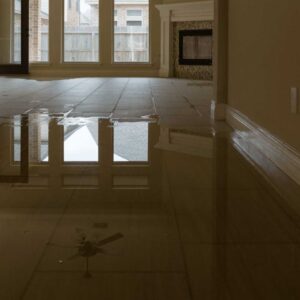
Standing water covering the floor of a home after indoor flooding

If you’ve owned property for any length of time, you’ve likely encountered some type of water damage. Water damage at home or in an office range anywhere from a small spill or leak to a major pipe break. Depending on the size of the event, it can be tempting to handle the dry-out yourself. Read on to learn why you should use a professional property damage restoration contractor when you have a water damage mitigation emergency.

Why It’s Better to Hire a Professional for Water Damage Mitigation

There are a number of reasons why it’s best to call a professional. The following are a few of the most important.

  1. Expertise
  2. Specialized equipment and proper drying methods
  3. Insurance claim management
  4. Safety

1. Expertise

Professional restoration contractors have training and industry certifications that allow them to properly assess water damage. This includes evaluating the severity, identifying any hidden damage, and determining the source of a loss if the source isn’t obvious. For example, most homes in Florida are concrete slab and so it’s common for homes to experience slab leaks as they begin to age past 20 years.

Untrained professionals are less likely to determine if a water damage is a slab leak or a slow leak from a pipe in a wall. Companies that specialize in water damage restoration are able to quickly identify the source and address it immediately — preventing further damage.

Moreover, depending on the type of water loss (clean water, grey water, or black water), the dry-out process is handled differently. Trained professionals determine which type of loss it is and create a dry-out plan accordingly.

2. Specialized Equipment and Proper Drying Methods

Many property owners attempt to dry out their homes or businesses using items like box fans or by simply opening windows and doors. However, water will find its way into every crevice and saturate insulation, wick through drywall and furniture, or get trapped under certain types of flooring.

Even if water is sitting on a concrete slab, the slab will slowly absorb the water if it’s not dried up with urgency. Professionals use specialized equipment like moisture meters, Forward-Looking Infrared (FLIR) cameras, dehumidifiers, Injectidry products, air movers, air scrubbers, etc. to ensure a property is properly dried.

This equipment prevents secondary damage to the property and ensures there’s no subsequent microbial growth. Restorers also use anti-microbial agents to treat wall studs and the wall cavities. Without this equipment, it’s nearly impossible to properly dry out your property following a water damage.

3. Insurance and Claims Management

Many property owners are unfamiliar with the claims process following water damage mitigation. Restoration professionals are able to look at your insurance policy’s declaration page to determine the details of your policy and provide you with the information you need to make an informed decision.

Additionally, although contractors can’t submit your claim for you, they can coordinate with your insurance carrier during the claims process after you have submitted your claim. By coordinating with the adjuster, the contractor is able to take this stressful process off of you as the property owner during what is already a stressful situation. They will also ensure you’re getting the coverage that you’re entitled to in your policy.

Safety

Lastly, hiring a property damage restoration contractor during for your water damage mitigation ensures your safety. There are a number of hazards associated with a water loss. For example, if the water loss is caused by a sewage leak, you are exposed to harmful bacteria and viruses. These types of water damages have to be handled properly to prevent illness.

Also, water and electricity don’t mix. Property owners who try to dry their home or facility expose themselves to potential electrical shock by plugging in equipment like box fans. Also, when box fans are used to dry black water like sewage, you’re spreading bacteria to other unaffected areas of the property.

Restoration contractors wear special personal protective equipment (PPE) like respirators and Tyvek suits while drying out a property affected by sewage. The goal during this type of water damage event is to protect the unaffected areas of the property and the occupants by placing containments, removing the water, and removing affected materials. Most materials that have been contaminated have to be completely removed, with only a few exceptions. This is something you should entrust to professionals.

Legacy Restoration, LLC Is Your Clear Choice for Water Damage Mitigation

Legacy Restoration, LLC is a Tampa-based restoration contractor offering water damage restoration services nationwide. We are trained, licensed, and insured professionals with over 100 years of combined experience.

We serve states in the Southeast, Southwest, and Great Lakes regions. If you experience a water loss at your home or business, reach out to us 24 hours a day for emergency cleanup at (888) 249-5867. Our technicians are always standing by to assist you during your greatest need.